
Precision casting with excellent quality
Integrated research and development, manufacturing, sales, and technical services of laboratory scientific instruments and intelligent equipment
National Consultation Hotline 15738867410
Integrated research and development, manufacturing, sales, and technical services of laboratory scientific instruments and intelligent equipment
National Consultation Hotline 15738867410

15738867410
Greenland Binhu International City (District 1), Erqi District, Zhengzhou City, Henan Province
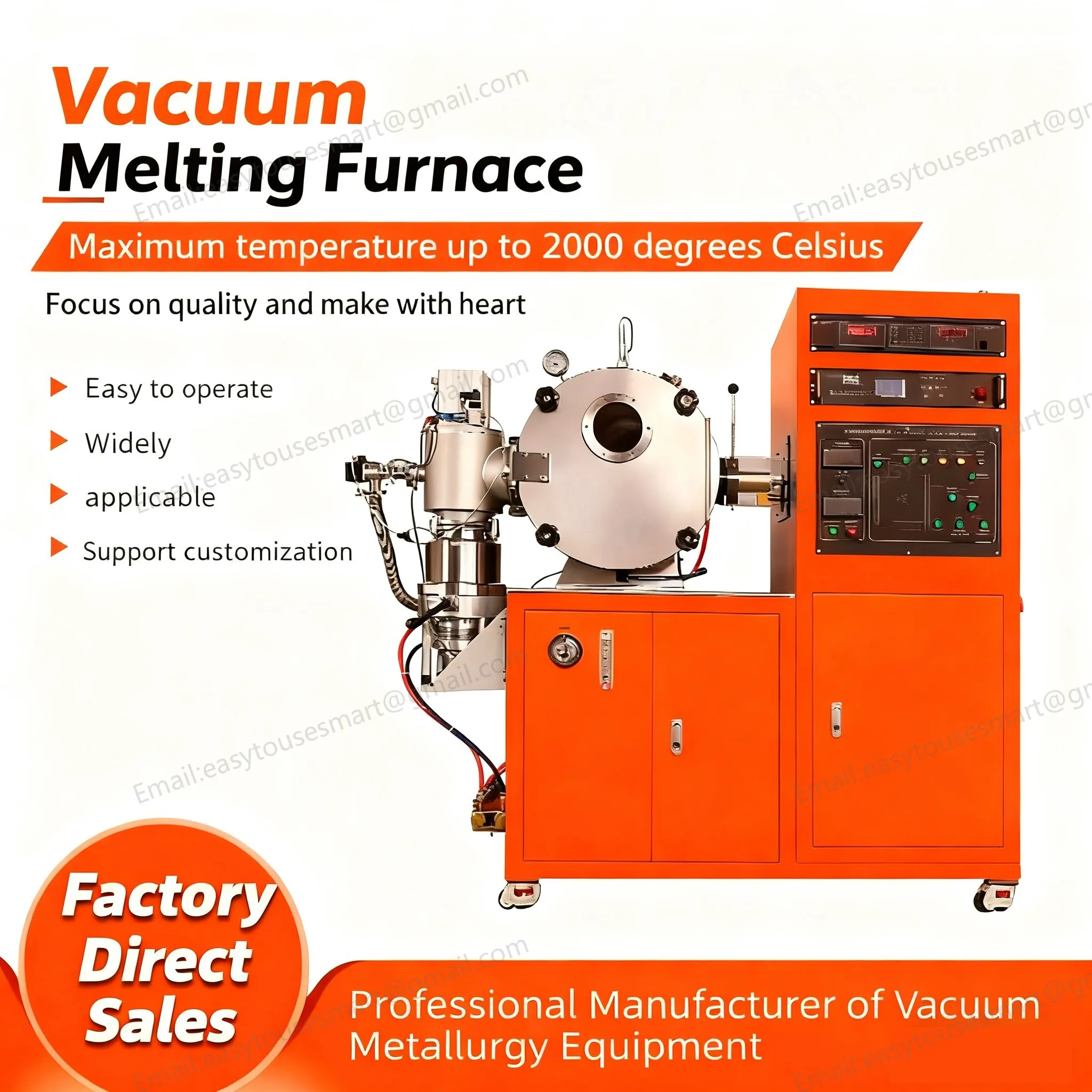
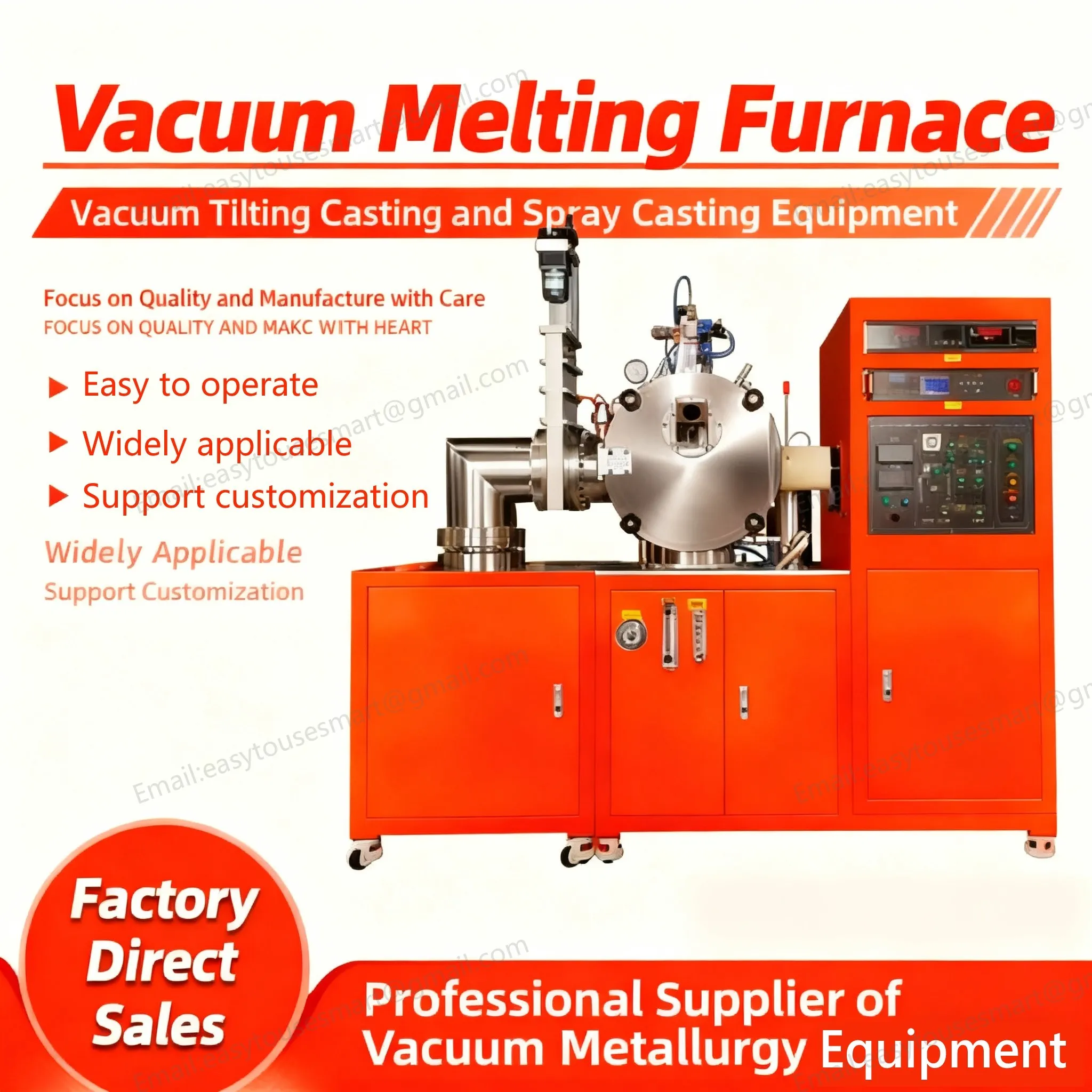
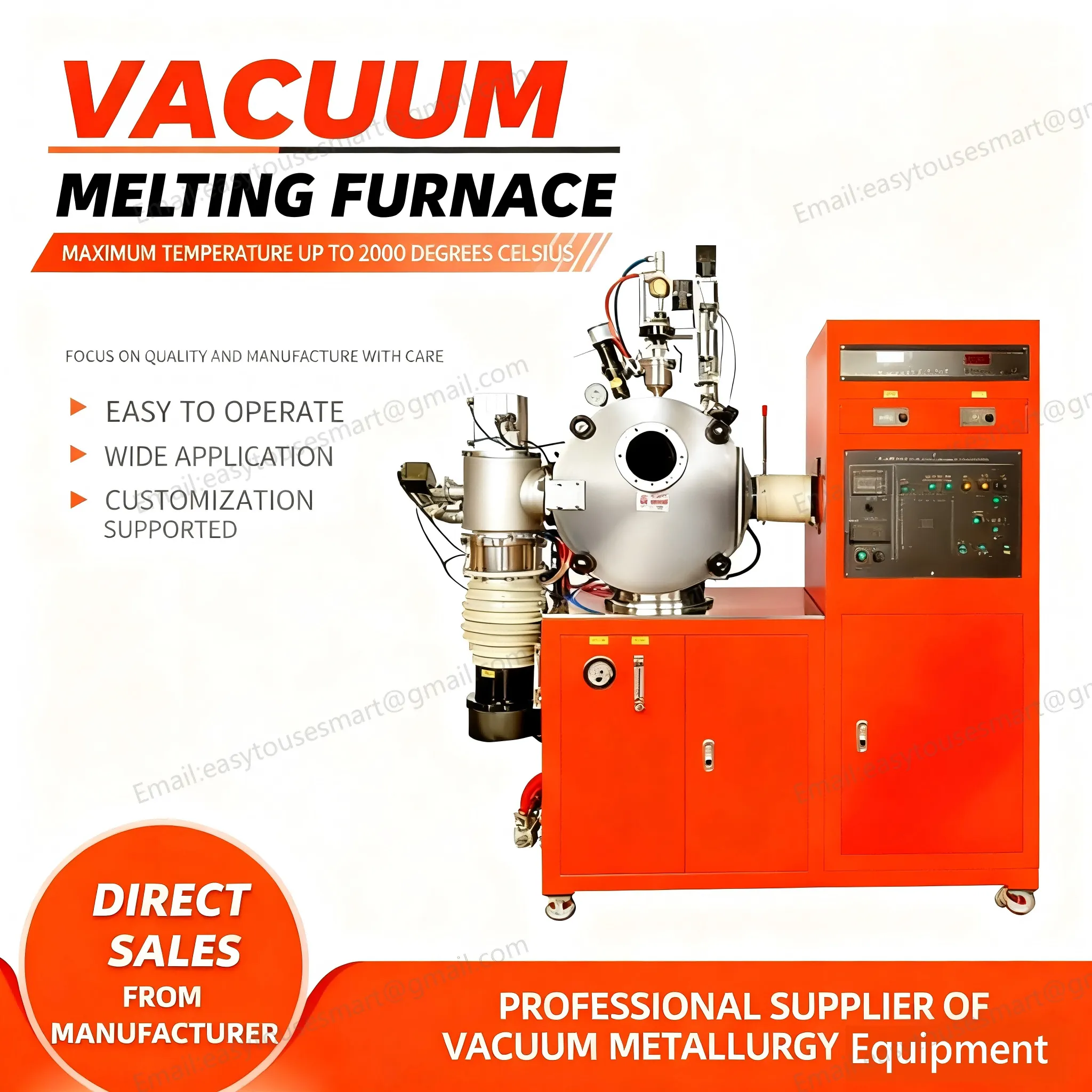
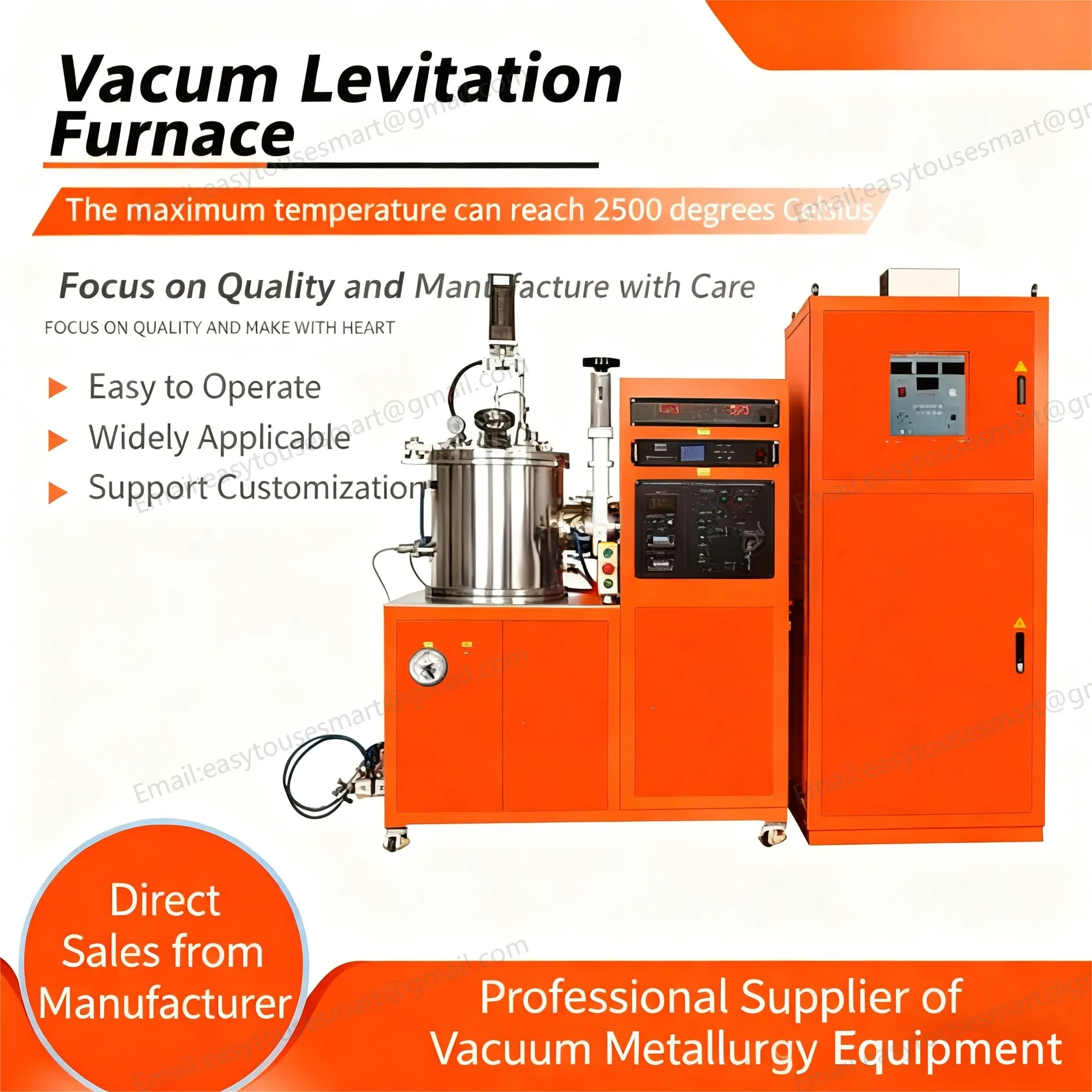
In the field of high-end alloy preparation (e.g., aerospace superalloys, semiconductor alloys, biomedical alloys), producing alloys with high melting points, high reactivity, and complex elemental compositions remains a persistent industry challenge. Conventional smelting equipment (such as crucible furnaces and electric arc furnaces) often suffer from contamination, insufficient temperature control, and compositional segregation, resulting in substandard alloy purity and unstable performance. The magnetic levitation smelting furnace, an advanced smelting technology that has rapidly developed over the past decade, has emerged as a critical solution for processing high-melting-point refractory alloys, high-purity reactive alloys, and complex multi-element alloys. With three core advantages—non-contact smelting, ultra-high temperature control, and precise composition regulation—it demonstrates broad application prospects in metallurgy, advanced materials, and new energy sectors. The following are specific research achievements in its practical applications:
Core Technical Advantages of Magnetic Levitation Smelting Furnace: Laying the Foundation for Alloy Preparation
The breakthrough of magnetic levitation melting furnace in overcoming the bottleneck of traditional alloy preparation stems from its unique technical design, which directly addresses the core challenges in alloy production:
1. Non-contact pollution-free smelting: The raw materials and water-cooled segmented copper crucible have no physical contact, preventing the inclusion of crucible materials (e.g., oxygen, carbon) into the alloy, thus ensuring alloy purity at the source—particularly suitable for the preparation of reactive metal alloys such as titanium, tantalum, and niobium, with impurity content controlled below 50 ppm.
2. Ultra-high temperature smelting capability: Powered by a magnetic levitation IGBT system, this technology achieves temperatures exceeding 2500°C, effortlessly processing high-melting-point refractory alloys like tungsten-copper (W-Cu) and molybdenum-niobium (Mo-Nb) alloys. It effectively resolves the traditional equipment's limitations of incomplete melting and incomplete solidification.
3. High vacuum environment control: With a two-stage molecular pump control system, the furnace achieves a vacuum level of 10⁻⁵ Pa, effectively removing gas impurities such as hydrogen, oxygen, and nitrogen from the alloy. This reduces porosity and other defects, thereby enhancing the alloy's density.
4. Flexible suspension control: By adjusting the coil frequency and magnetic field strength, stable suspension of materials with different geometries (bars, blocks, sheets, powders) and densities can be achieved, ensuring uniform alloying of multi-element alloys.
II. Typical Application Scenarios of Magnetic Levitation Smelting Furnace in Alloy Preparation
1. Preparation of High Melting Point Refractory Alloys: Breaking Through the Challenge of "High Temperature Melting"
Magnetic levitation furnaces excel in processing refractory metal alloys with melting points exceeding 2000°C, such as tungsten, molybdenum, and niobium, by leveraging their ultra-high-temperature capability to achieve efficient melting and uniform composition. For example, in the production of high-density W-Ni-Fe alloys, traditional induction furnaces often fail to fully dissolve tungsten particles due to insufficient temperatures, leading to compositional segregation. In contrast, magnetic levitation furnaces can maintain a stable temperature of 2300°C, enabling complete dissolution of tungsten particles into the nickel-iron matrix. The resulting alloy density exceeds 17.8g/cm³, meeting stringent requirements for aerospace counterweights and radiation shielding applications.
2. Preparation of Active Metal Alloys: Avoiding the Risk of "Contact Contamination"
The reactive metals such as titanium, tantalum and zirconium are prone to react with crucible materials during melting, which leads to the decrease of alloy purity. The non-contact characteristic of magnetic levitation melting furnace becomes the ideal choice for the preparation of such alloys.
· Preparation of titanium-tantalum alloy: Using a CCLM bottom casting device with two sets of coils at different frequencies, cylindrical titanium material with a diameter of 50 mm and granular tantalum material with a particle size of 2-5 mm were employed as raw materials. The uniform mixing of titanium and tantalum was achieved through fully suspended melting. Traditional crucible melting is prone to introducing oxygen impurities, leading to alloy embrittlement, whereas magnetic levitation melting can control the oxygen content below 30 ppm, resulting in an increase in alloy elongation by over 20%. This method is suitable for the field of biomedical implants.
· Preparation of titanium-aluminum alloy: By adjusting the geometric shapes of titanium and aluminum raw materials (aluminum as sheets, titanium as small particles) and matching the penetration depth of electromagnetic induction, aluminum is melted first to form the matrix, while titanium particles are uniformly dispersed and dissolved. This avoids the compositional deviation caused by aluminum volatilization in traditional processes, ultimately controlling the aluminum content deviation in the alloy within ±0.5%.
3. Preparation of Complex Multi-element Alloys: Solving the "Composition Segregation" Problem
When an alloy contains more than three elements (e.g., Ni-Cr-Mo-W corrosion-resistant alloy) with significant differences in melting points and densities, traditional smelting often leads to segregation issues where high-density elements sink and low-density elements float. The magnetic levitation smelting furnace achieves uniform alloying through "material morphology optimization + energy absorption control".
In the preparation of Ni-Cr-Mo-W alloys, Ni and Cr are designed as fine particles (to reduce energy absorption efficiency and prevent premature melting), while Mo and W are designed as flakes (to increase specific surface area, enhance energy absorption efficiency, and accelerate melting). During the melting process, the flaky Mo and W melt first, followed by the uniform dissolution of the fine Ni and Cr particles. The final Mo and W content in the alloy is controlled within ±0.3%, with corrosion resistance improved by 15% compared to traditional melting methods. This makes it suitable for applications in chemical corrosion protection and marine engineering.
4. Oxide Crystals and Glass Solidification: Expanding Applications of "Non-metallic Materials"
In addition to metal alloys, the magnetic levitation melting furnace can also prepare oxide crystals (such as alumina, zirconia single crystals) and glass-cured bodies for nuclear waste treatment through semi-suspended cold crucible bottom injection technology.
· The preparation of oxide crystal: The local suspension heating of the cold crucible is used to avoid the impurity contamination caused by the contact between the melt and the crucible. The prepared zirconia single crystal has a transmittance of more than 92%, which is suitable for optical lens and high temperature sensor.
· Glass solidification device: The newly developed cold crucible glass solidification device features an inner diameter of 500mm. It enables the safe disposal of nuclear waste by mixing nuclear waste with glass materials, which are then melted at high temperatures in a suspended state to form a stable glass solidified body.
III. Process Optimization Direction of Alloy Preparation in Magnetic Levitation Smelting Furnace
The current magnetic levitation melting furnace still requires optimization in alloy preparation, particularly regarding issues such as "multi-element ratio precision" and "large-scale production efficiency".
1. Standardization of raw material forms: Based on the electromagnetic induction characteristics of different elements, standardized geometric shapes of raw materials are established (e.g., sheet-like for high-density elements and granular for low-density elements) to reduce process debugging time.
2. Intelligent Temperature Control System: Featuring an AI-powered temperature monitoring and feedback module, it dynamically adjusts coil power to prevent localized overheating-induced element volatilization, thereby enhancing component accuracy.
3. Development of large-scale equipment: Currently, the capacity of a single maglev melting furnace ranges from 10 to 50 kg. Future efforts will focus on developing 100 kg-scale equipment to meet the production demands of large alloy components such as aerospace engine blades.
sum up
Magnetic levitation furnaces, leveraging their non-contact, ultra-high-temperature, and high-vacuum technological advantages, have resolved three major challenges in traditional smelting processes—pollution, incomplete melting, and compositional segregation—when preparing high-melting-point refractory alloys, reactive metal alloys, and complex multi-element alloys. This breakthrough provides core technological support for the domestic production of advanced alloy materials. With the scaling up of equipment, intelligent upgrades, and continuous optimization of process solutions, magnetic levitation furnaces will see broader applications in aerospace, biomedical, and new energy sectors, driving the development of advanced alloy preparation technologies toward higher purity, superior performance, and larger production scales.
QR code

Contact information
15738867410
Online Message
Top